
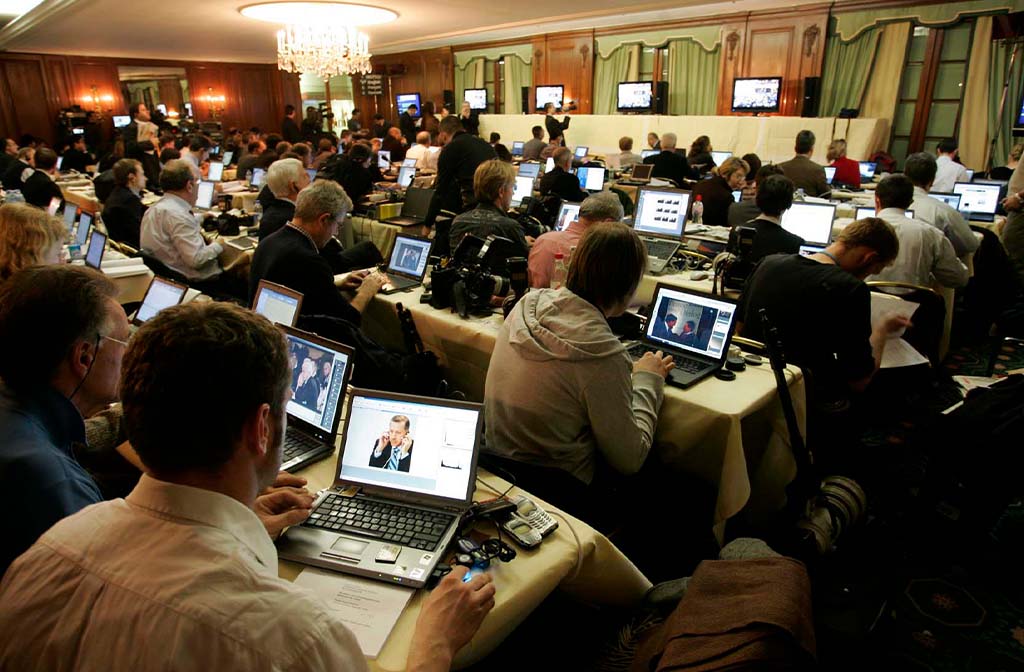
Where a piece of information comes from is just as important as the information itself. In journalism, that’s why we talk about sources. These are the people, documents, or organisations that provide facts, context, and perspective.
Sourcing matters because it shapes how much a reader can trust a news story. The more transparent a journalist is about where their information comes from, the easier it is for the audience to make an informed judgment.
But not all sources are named. Sometimes anonymity is necessary to protect individuals. That decision requires careful editorial judgement, because who says something, and why they’re saying it, can make all the difference.
Why sources matter
Good journalism doesn’t expect readers to simply take its word for it. That’s why news reports are full of quotes, references, and attributed facts. The source of a statement gives it weight and context.
When a quote is attributed to a named person, especially someone with direct knowledge or authority, it allows readers to assess credibility for themselves. It also adds accountability: if someone puts their name to a comment, they stand by it.
Unnamed or unclear sources can make a story feel vague or unreliable. That’s why responsible newsrooms are transparent about where information comes from, even if a name can’t be shared.
When anonymous sources are used and why
There are legitimate reasons why a journalist may choose not to name a source. A person might face professional consequences, personal danger, or public backlash for speaking out. In these cases, the public interest in the information outweighs the need to identify the individual.
Anonymous sourcing must always be a last resort, never a shortcut. It should be supported by additional verification, and the decision to grant anonymity should be taken seriously by editors.
The Impress Standards Code, which the Bedford Independent follows, provides guidance on this. It states:
“Publishers must take reasonable steps to ensure the safety of sources who require protection and must not identify sources without their consent.”
This code acknowledges that privacy and protection aren’t just ethical choices, they’re standards that help uphold trust.
The risk of relying on anonymous sources
Anonymous tips can be valuable, but they can also be misleading. Without a name, it’s harder to judge someone’s motives. That’s why responsible editors ask questions: Is this person in a position to know what they’re claiming? Can the facts be verified? Is there more than one source?
Over-reliance on unnamed sources can weaken a publication’s credibility. It creates space for rumours or personal agendas to slip into the news. That’s why most newsrooms set a high bar for publishing anonymous quotes—and aim to use them sparingly.
Named quotes build stronger stories
When people are willing to speak on the record, it strengthens journalism. Named quotes allow readers to evaluate what’s being said, and hold the speaker accountable if necessary.
For local journalism in particular, where trust and transparency are everything, being able to name sources adds real value. It gives the public insight into not just what is happening, but who is saying it—and why.
What responsible sourcing looks like
Editorial
A credible news story will always make it clear where its information comes from. This might be a named quote, a statement from an organisation, a public document, or an anonymous source with supporting evidence.
At Progress Publishing, every story involving anonymous sourcing is reviewed by senior editorial staff. We only publish information without a name when it serves the public interest, and we do everything we can to verify it first.
If someone wishes to challenge or question our sourcing, they can refer to our corrections and complaints policy.
As a newsroom regulated by Impress, we take our commitment to accuracy, fairness, and accountability seriously. Our readers deserve to know not just what we report, but how we know it.
Sourcing isn’t just a technical part of journalism. It’s fundamental to trust. Anonymous quotes have their place, but they should never replace named voices, verified facts, or clear editorial responsibility.
Letters
Responsible sourcing also applies to letters submitted for publication. We ask letter writers to include their full name and address, even if they request that their name not be published.
This is a common practice among newspapers to ensure authenticity and to uphold accountability.
When we do publish letters, we include the name and an abridged version of the address (for example, the town or area only) unless the writer has requested anonymity. In such cases, we still require the full name and address for our records.
In some cases, we may decide not to grant anonymity, especially when a letter appears to serve a particular agenda.
For instance, if a contributor is affiliated with a political party and submits a letter praising their group or criticising an opponent, we will usually publish their name, and, where relevant, their role or connection to the subject.
This provides essential context, helping readers to understand any affiliations and assess the content accordingly.
This policy helps maintain trust in our Letters to the Editor section and ensures that opinions shared with the public are genuine and responsibly submitted. It reinforces our commitment to transparency while respecting the privacy of contributors.
A well-sourced story, or letter, allows readers to judge for themselves. It’s what turns reporting into public service and helps journalism do what it’s meant to: inform, empower, and hold power to account.
This article is part of a series of articles to help support media literacy.









