7 November 2025
Bedford Ian has been looking at recent goings on across Bedford Borough and tells us what he thinks of it all…
United sacrifice
This Sunday, 9 November, is Remembrance Sunday, a day to remember the fallen, those men and women who paid the ultimate sacrifice so we may enjoy the freedom we have today.
But what may surprise many is that the idea of remembrance and the poppy we use as a symbol of our thanks began not here, but overseas.
In 1915, shortly after losing a friend at Ypres, Canadian doctor Lieutenant Colonel John McCrae was moved by the sight of poppies growing among the graves. His poem In Flanders Fields captured the grief and hope of a generation.
Those words inspired Moina Michael, an American academic, and Anna Guérin, a French campaigner, to adopt the poppy as a symbol of remembrance. This flower crossed borders long before it was ever pinned to a British lapel.
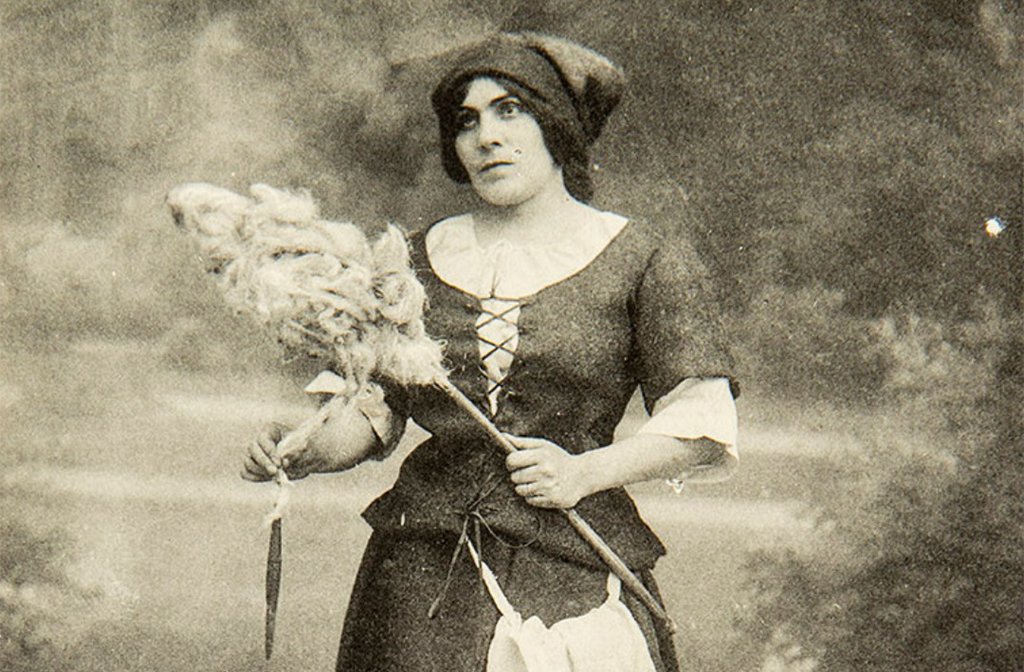
Guérin, who later became known as ‘The Poppy Lady of France’ brought her idea to London in 1921 and persuaded Earl Haig and the newly formed Royal British Legion to make the poppy their emblem.
So the poppy, that symbol we wear each November, isn’t British in origin; it’s universal. Born of shared loss, and defined by those who believed remembrance should know no borders.
And those borders also blur in war.
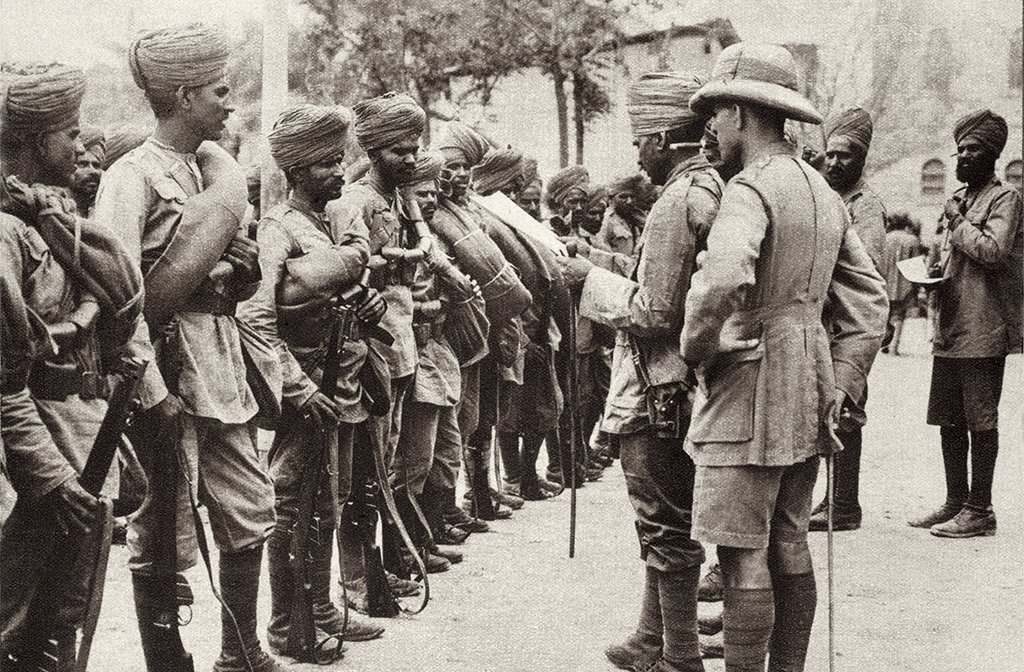
In the First World War (1914-1918), more than three million soldiers and labourers from across the Empire fought alongside Britain.
Over 1.27 million came from India, 15,000 from the Caribbean, and 180,000 from Africa. Canadians, Australians, New Zealanders and South Africans fought and fell from Ypres to Gallipoli to the Somme.
By the Second World War (1939-1945), the numbers had grown even higher.
The Empire and Dominions raised 8.5 million men for service: 1.4 million from India, 629,000 from Canada, 413,000 from Australia, 136,000 from South Africa, 128,000 from New Zealand, and 134,000 from other colonies.
Thousands more came from the Caribbean and across Africa.
And from Europe, they came too. French, Belgian, Czech, Dutch, Norwegian and Polish men and women who refused to give up their countries to tyranny.
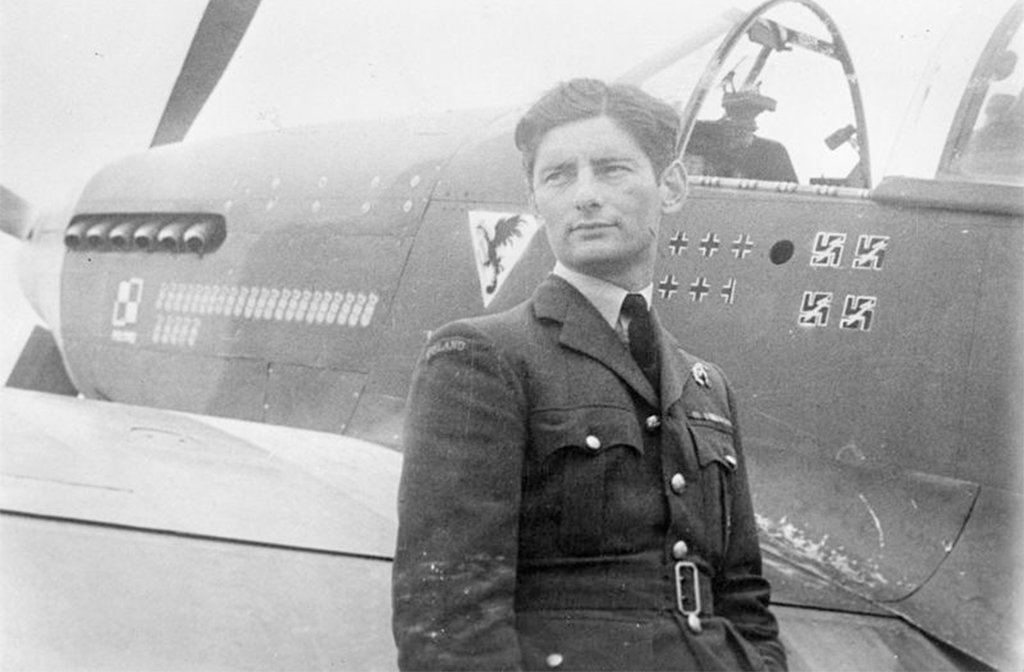
Governments-in-exile were formed here in Britain. Czechs and Poles flew alongside the RAF, with four Czech and 15 Polish squadrons, and their pilots played a decisive role in the Battle of Britain.
Polish troops also fought in North Africa, Italy and Normandy, and when the war ended, many came to the UK and stayed, unable to return home.
Together, they fought under one sky, for one cause – freedom.
That’s the legacy the poppy represents. Not nationalism, not division, but unity in courage and sacrifice.
So this weekend, when we stop to remember, remember everyone. The British, who come from all walks of life, and the Indian, the Jamaican, the Kenyan, the Canadian, the Pole, the Frenchman and the countless others who stood shoulder to shoulder.
Because if you wear the poppy with pride yet judge someone for the colour of their skin or the place they were born, then you’re not honouring the fallen.
You’re betraying what they died for.
Read: Lest we forget: 2025 Armistice Day and Remembrance Day events in Bedford Borough
Normal for Norfolk

My colleague recently took a trip to Norfolk, incorporating a slap-up lunch at the Suffield Arms. The restaurant is co-owned by art collector Ivor Braka, with works from his collection adorning the walls of the pub and its sister establishment, The Gunton Arms.
Just as my colleague was relaxing into a weekend away from Bedford, their eye was drawn to the list of names spray-painted above the bar, not least because it includes the former Mayor of Bedford, Dave Hodgson.
The artwork is by Caragh Thuring, and it turns out that Mayor Dave shares his name with one of the principal artists of the 19th-century Norwich School, which the artwork celebrates.
Not only do you learn something new every day, but you can never truly escape reminders of Bedford.
Vinyl values
John Lewis has done it again. This year’s Christmas advert, Where Love Lives, swaps cartoon creatures for club culture. A 90s anthem, a vinyl record, and a dad remembering how to dance. It’s nostalgic, warm, and just what we expect from John Lewis at this time of year.
It’s also the best advert we’ve seen all year… for Bedford’s independent record shops.
Read: Bought in Bedford: Share your love of Bedford’s indie businesses and win a £50 voucher
Because if the ad reminded you how good vinyl sounds, don’t go ordering online or (even worse) making a trip to Milton Keynes. Go where love actually lives, right here in Bedford.
Pop into Slide Record Shop (9 The Arcade) for new releases and hidden gems. Drop by Thirsty Records (75 Harpur Street) for crate-digging and good coffee. Or wander through Oxfam Books & Music (16 St Paul’s Square), you never know what treasure you’ll find.
National brands may tug the heartstrings, but it’s your local indies that keep the soundtrack playing all year round.
See you soon, Bedford Ian.
PS: If you see anything Bedford Ian might find amusing, let us know at news@BedfordIndependent.co.uk.