
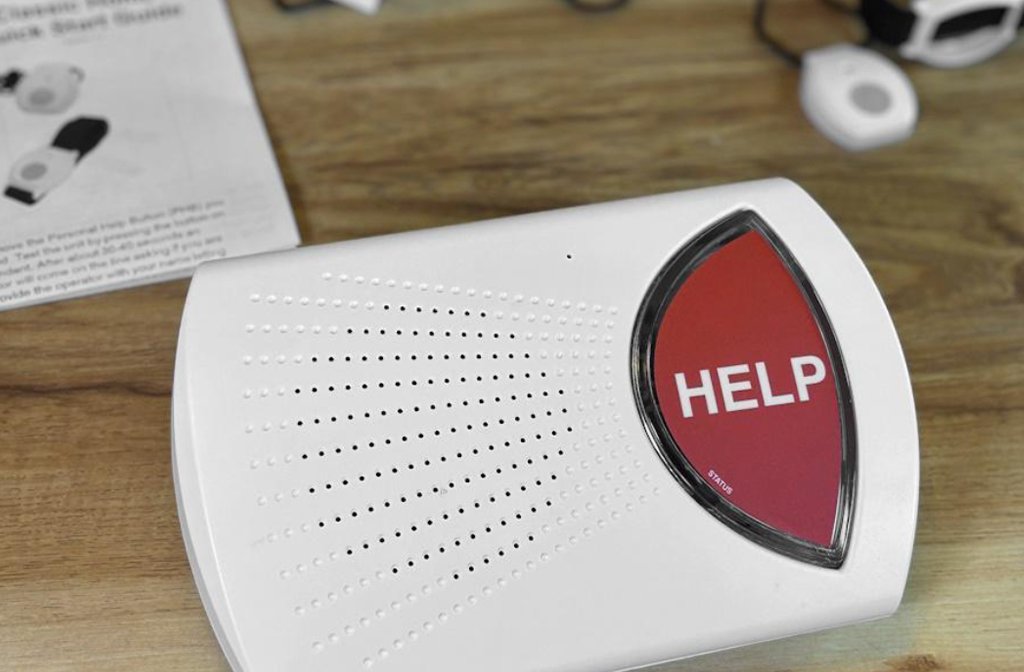
Everyone deserves to feel safe at home, and cost should never be the reason a senior goes without protection.
Yet many families assume a medical alert system means big upfront bills and years of contracts. The good news is that it does not have to.
No-fee options have changed the picture.
By removing setup charges, activation costs, and hidden fees, they make round-the-clock protection genuinely affordable.
A free medical alert systems for seniors plan can put help one button away without the sting of extra costs. Here is how these plans work and how to choose one well.
What does no-fee actually mean?
The phrase can be confusing, so it helps to be precise.
“No-fee” usually means no charges beyond the plain monthly subscription. That means no activation fee, no equipment purchase, and no cancellation penalty.
A true no-fee plan strips out the common extras:
- No activation fee. Nothing to pay just to start the service.
- No equipment charge. The device itself is included.
- No cancellation penalty. You can leave whenever you need to.
It does not mean entirely free, though.
There is still a monthly cost for the monitoring service, which is the heart of what you are paying for. The saving is in stripping away all the extras that inflate the real price.
Those extras add up fast elsewhere.
Setup fees, equipment charges, and long lock-in contracts can turn an affordable-looking plan into an expensive one over time.
A no-fee approach keeps the true cost clear and predictable, which matters most for anyone watching every pound of a monthly budget.
Why do hidden fees matter so much?
For many older people on a fixed income, predictability is everything. A surprise charge or a rising bill can put safety out of reach. Transparent pricing removes that worry entirely.
Contracts are the other trap. A long lock-in ties a senior to one provider even if their needs change or the service disappoints. No-contract plans keep the freedom to switch or stop.
Peace of mind should not come with fine print. Knowing exactly what you pay, with nothing hidden, is part of what makes protection feel genuinely safe. Clear pricing is a feature, not an afterthought.
What should the plan still include?
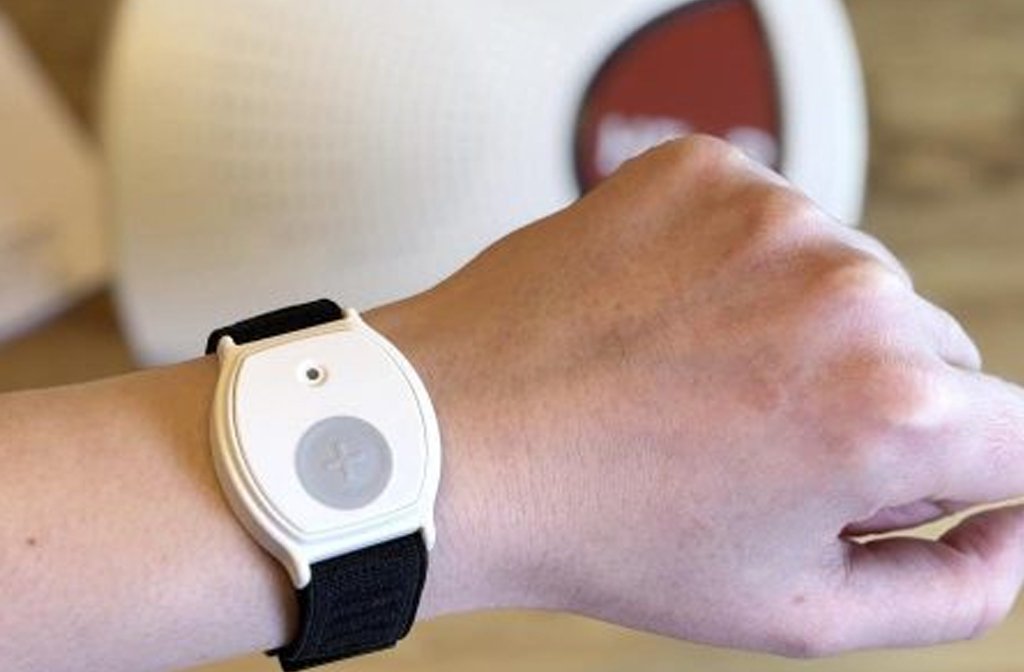
Affordable should never mean stripped-back on the things that matter.
A cheap plan that fails in an emergency is no bargain. Make sure the essentials are all present.
- 24/7 monitoring. A real person answering at any hour.
- Two-way voice. The wearer can speak to an operator.
- Fall detection. Help is called even if the button is not pressed.
- Water resistance. It works in the bathroom, a common fall spot.
- Reliable battery. Long life with clear low-battery warnings.
- Responsive support. Easy help when questions come up.
These are the non-negotiables. Save on fees, never on the features that decide whether help actually arrives.
How does a medical alert fit with other support?
A medical alert is one part of helping a senior live well at home, not the whole plan. It works best alongside other care and community support.
Together they let someone stay independent for longer.
Think of it as the safety net. It buys time and summons help while other arrangements, from family and community volunteers to professional home care, do their part.
Arranging a social care needs assessment can help families understand what wider support is available and where a device fits.
Staying active and connected matters just as much. Local wellbeing groups and programmes that keep older adults healthy reduce risk in the first place.
Practical measures like home adaptations can also lower both the risk and the cost of staying at home. Prevention and a safety net always work best hand in hand, each covering what the other cannot, and together they let a person stay at home with real confidence.
How do you choose the right no-fee plan?
Comparing plans is easier once you know what to look for. Focus on total cost and real reliability, not just the headline. A little homework pays off.
Read the full pricing. Confirm there really are no activation, equipment, or cancellation fees, and check the monthly rate against what is included. The cheapest headline is not always the best value.
Then judge the service itself. Monitoring quality, response time, and support matter more than saving a pound or two. Involve your loved one so the device is one they will actually wear.
What to remember
- No-fee plans remove activation, equipment, and cancellation charges.
- There is still a monthly cost for the monitoring service itself.
- Hidden fees and long contracts are what make plans expensive.
- Affordable should never mean skipping essential safety features.
- A medical alert works best alongside other care and staying active.
- Compare total cost and reliability, not just the headline price.
Safety within reach
A medical alert system should protect a senior’s safety, not strain their budget. No-fee plans make that possible, putting round-the-clock help within reach for far more families.
Compare the true cost, insist on the features that matter, and safety and affordability can go together.
Frequently asked questions
What does a no-fee medical alert system mean?
It means no charges beyond the monthly monitoring subscription. There is no activation fee, no equipment cost, and no cancellation penalty. You still pay a monthly rate for the service itself.
Are cheaper medical alert plans reliable?
They can be, as long as the savings come from cutting fees, not features. Insist on 24/7 monitoring, two-way voice, and fall detection. A plan that fails in an emergency is never a bargain.
Should I avoid long contracts?
Generally, yes. A no-contract plan lets you switch or stop if needs change or the service disappoints. It keeps both flexibility and predictable costs on your side.
How do I pick the right plan for my parent?
Compare the full pricing, then weigh monitoring quality and support. Involve your parent so they will wear the device.
The best plan balances a fair cost with genuine reliability.
Advertising feature with Life Assure









