
Town centres & High Streets are changing. Bedford is fairing well with vacancy rates below national average and footfall above, but it is not immune from the challenges facing the UK High Street. We know someone’s to blame for the empty shops, high rates & unrealistic rents, but we’re just not quite sure who. When in doubt, blame the council.
A lot of the fault lies with the changing economic climate. Some of the fault lies with absentee landlords and out-of-town shopping centres. But most of the fault lies with us. You and me. We changed the High Street. We switched to Amazon and Asos and Ebay. We no longer wanted the inconvenience of finding a parking space and going to a shop. We wanted the convenience of a screen & a swipe.
Change is good
The changing landscape of town centres is hard to predict, but it’s likely we’ll see a higher proportion of residential and leisure replacing retail in the future. This is already apparent in Bedford. More upper floors are being converted into flats while restaurants, bars and coffee shops are replacing shops. The development of the Quarry Theatre, the rise of restaurants on St Cuthbert’s Stree t, the refurb of the Pilgrims Progress & Brewhouse plus the imminent arrival of Riverside North are evidence of this.
But we still need shops. And libraries. And markets. And pubs. And community centres. We need spaces and places where people can meet, share ideas, find new things, discover something they didn’t know they needed. That’s the point of town centres. To meet up with your mates after school to buy makeup and magazines, to have a drink after work, to go to the hairdressers, to have a coffee, to interact with other people.
High streets and town centres are doing their best to adapt to survive. And we need to embrace that change and support the small, unique businesses that will be at the heart of this changing landscape.
The facts…
Rates are set by central government based on the value of the property. Rateable values were last calculated in 2008, prior to the financial crash, during which property values plummeted. Therefore, the rates paid over the last nine years do not accurately reflect the value of the property. Business rates were due to be revalued in 2015, however the government deemed the market to be too unstable, so deferred until 2016.
On Friday 30th September 2016, the new rateable values were revealed, with the East region seeing a 14% reduction. Great news! But here’s the rub. According to Paul Turner-Mitchell, award-winning independent retailer and business rates campaigner, the reductions (or rises in the case of London) will be phased in, therefore many businesses won’t reap the benefits for a number of years. “The revaluation is long overdue. If these rate reductions were implemented immediately it would be a quick fix for our High Streets. Phasing in could take too long to make the difference to a struggling small business.”
Currently, local councils collect the full value of the rates and are permitted by central government to retain 49%. By 2020, it is expected that councils will retain 100% of business rates collected while other funding will reduce. This will encourage greater focus on the appeal and commerciality of town centres and may lead to councils investing in town centre properties to increase their rent and rate revenue as well as ability to influence.
Just like private rentals, business rents are set by landlords based on market forces. With many town centre properties owned by large pension funds & financial institutions, it is unlikely that they will reduce their rent in order to fill the property as rent reduction adversely affects the value of the property on their balance sheets. This is undoubtedly a contributing factor to vacancy rates on the country’s High Streets and is something that councils are powerless to control. As town centres evolve towards the residential/leisure model, it is likely that market forces will see rents reduce in areas of lower demand, which could provide the perfect opportunity for small businesses to thrive and the landscape of the High Streets will change once again.
The bigger picture
Bedford’s High Street has been invested in heavily over the past few years and now is a much more attractive place. It’s too easy to look at a snapshot of empty shops in Bedford in isolation and draw conclusions about the future of our High Street. The churn of businesses is natural and has been ever t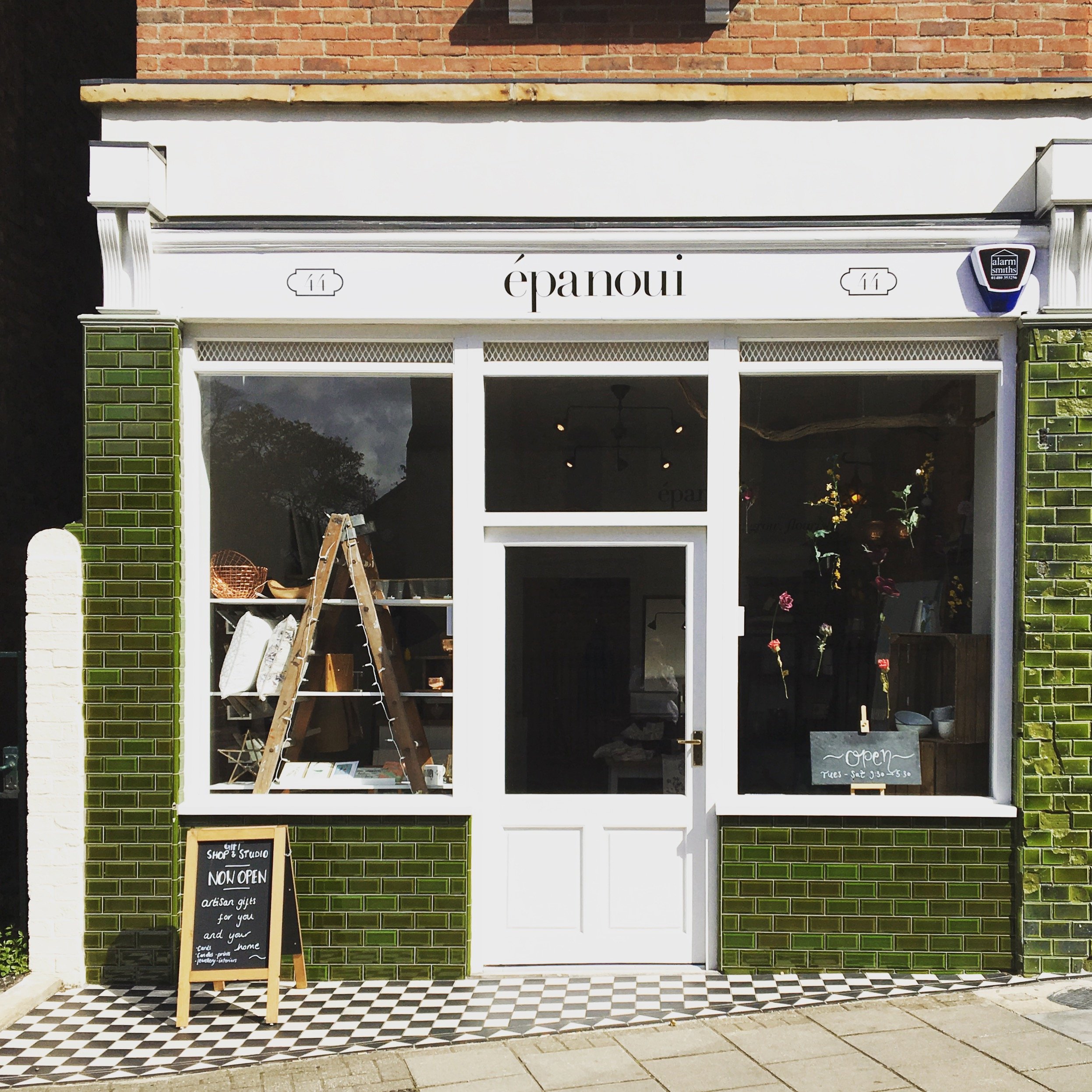 hus. We should be proud that our town has supported businesses like Goldings and Harrison & Simmonds for – in the case of Goldings – nearly 150 years. We should be celebrating the fact that off-High Street businesses are moving to High Street properties and that the THI project has seen £4.5m invested into the town centre. Bedford’s vacancy rates are below national average and footfall is above. The new owners of the Harpur Centre are promising investment and improvement and the newly vacated BhS building offers an opportunity for a big retailer to locate to Midland Road.
The future is in our hands and in our wallets. It’s up to us to support the existing businesses – shops, hairdressers, cafes, music venues, restaurants, market stalls – which make the town unique, bring visitors, drive investment and encourage other small businesses to exist here. Don’t talk down the town, spend your money there!
Erica Roffe, Editor of The Bedford Clanger









