More Bedford families are sharing homes across several generations today. Parents may support school-age children while helping an older relative daily. This arrangement can protect family ties and reduce separate housing costs.
Bedford’s population rose by 17.6% between 2011 and 2021. The increase was the largest percentage rise across the East of England.
Households containing couples with dependent children also increased slightly locally. Their share rose from 20.9% to 21.3% during that decade. The East of England recorded a fall during the same period.
Why shared living needs careful planning
Three-generation living can solve one problem while exposing several others. Yet narrow halls and upstairs bathrooms can limit daily independence quickly.
Families should review the whole day rather than one difficult task. Note where people wait or need another person’s help. Those pressure points show which changes deserve attention first.
Useful questions include the following practical checks:
- Can your parent reach a toilet safely during nighttime hours?
- Can children pass through hallways without crossing mobility equipment?
- Does one bathroom serve everyone during the busiest morning period?
- Can your parent enter the home without difficult outdoor steps?
Start before a serious fall happens
Many households delay changes until a hospital discharge forces action. Earlier planning gives your family more choices and less pressure. Watch for repeated pauses before stairs or furniture transfers.
A serious fall provides only one possible warning sign. Tiredness after climbing stairs can reduce activity during each day. Holding walls or door frames may show reduced balance. Missing upstairs family time can also point toward access problems.
Your first response does not require a major building project. Small changes can remove daily risks at a lower cost. Better lighting and fixed rails may help certain routes.
Let the home support different generations
Children need the freedom to play without turning corridors into hazards. Older relatives need predictable routes with enough turning space. Shoes and school bags can block an otherwise safe path.
Keep one clear route between essential downstairs rooms every day. Place daily items between waist and shoulder height where possible. Heavy items should never require bending or reaching above the head.
Home mobility aids should match a real task and a person. Buying equipment without assessment can waste money and floor space. A product may solve one problem while causing another nearby. Occupational therapy advice can help families select safer options.
Stairs can define the whole arrangement
An upstairs bedroom can leave an older parent dependent each day. Moving downstairs may work when another suitable room exists.
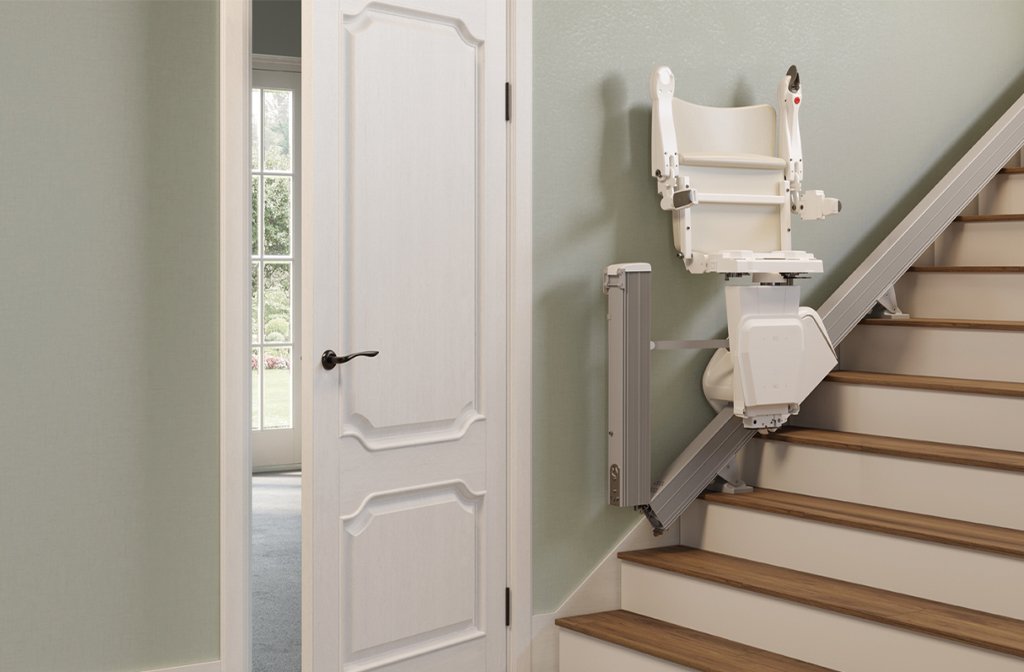
A stairlift for elderly parents may protect access to familiar bedrooms. The right model depends on the staircase and the user’s abilities. Straight stairs need different rails from curved or split flights. Seat controls must also suit grip and arm strength.
Ask providers to assess transfer space at both landings. Check how other family members will use the stairs safely. Folded seats and footrests still require enough passing room. Parking areas can reduce obstruction near busy household doorways.
Understand pricing before arranging visits
Families researching stairlift cost UK information will find wide estimates. Current published guidance reports average prices around £3,371 for straight models.
Curved models averaged about £4,728 within the cited consumer survey. Reconditioned options may range from roughly £1,200 to £2,500. Final prices depend on rails and any extra building work.
Collect several written quotations using the same requested features. Check installation and warranty details before comparing final totals.
Ask about callout charges after the initial warranty ends. Removal or buyback terms should also be listed within the written paperwork.
Reconditioned equipment can lower spending when properly tested and guaranteed. Never accept rushed sales pressure during a home visit.
Bedford families may qualify for financial help
Bedford Borough Council provides Disabled Facilities Grants for eligible adaptations. Covered work can include ramps and adapted washing facilities.
Stairlifts and through-floor lifts can also qualify after assessment. The local maximum grant is £30,000, and means testing applies. Certain benefit recipients and disabled children receive listed exceptions locally.
Applicants receive an assessment from an occupational therapist through Adult Social Care.
The assessment considers needs rather than a preferred product brand. Families should begin this route before commissioning major work themselves.
National guidance says homeowners and several tenant groups can apply. Private tenants and housing association tenants are included within eligibility categories.
Councils must judge proposed work necessary and reasonable for the property. Funding depends on income and savings under current grant rules.
Renting adds another layer of difficulty
Bedford home ownership fell from 65.7% to 62.7% during 2011–2021. Private renting increased from 15.8% to 19.1% over that decade. More local families, therefore, face adaptation decisions without owning their property.
Tenants should contact their landlord before permanent changes begin. Written permission protects everyone when walls or stairs need fixing.
Families can still ask the council about assessment and grant eligibility. Landlords may also need plans for removal after tenancy changes.
However, temporary products should still receive proper safety checks. Loose rails and unsuitable bathroom furniture can cause serious injuries.
Choose local support carefully
Local mobility specialists can visit the property and measure actual routes. Their survey should cover the person and the wider household use.
Ask who completes installation and who handles later repairs. Bedford families need clear response times when equipment fails.
Request written answers about several service points:
- The quotation should state every included installation task clearly.
- Warranty terms should identify covered parts and labour periods.
- Emergency callout plans should include realistic local response information.
- Engineers should explain charging and safe daily operating steps.
- Removal charges should be agreed upon before signing any contract.
Families searching for mobility adaptations home guidance should avoid instant package deals. Every Bedford property presents different stairs and room connections.
Your parents’ ability may also change during the coming years. Adaptations should support today without blocking useful later choices.
Share care without removing independence
Adult children can start doing every task with kindness. Overhelping may reduce an older parent’s confidence and daily activity.
Ask which tasks your parent wants to manage independently. Offer support where risk or tiredness makes help necessary.
Children need simple explanations about any new household equipment. Teach them never to play with powered lift controls.
Keep charging points and tracks free from school items. Clear household rules can reduce conflict across shared spaces.
Discuss appointments and equipment problems during a weekly family check. Include your parent directly in every relevant household decision. Their room and routine deserve the same respect as everyone’s.
Build a plan your family can sustain
Multigenerational care requires more than one purchase or room change. Your family needs safe access and realistic shared routines.
Begin with essential journeys rather than redesigning the complete property. Review each change after several weeks of daily use.
Bedford’s growth and changing housing pattern give this issue local importance. More households are balancing children and ageing relatives within limited space.
Proper assessment can protect independence without overloading younger family members. The best plan supports everyone living under the same roof.
By Lawanda Gonsales with support from AI
Advertising feature with Senior Stairlifts