

The editor of the Bedford Independent has been named one of the UK’s first-ever accredited journalists after completing Impress’s Creating Ethical Media and Journalism course, marking a significant milestone not just for this publication, but for local journalism in the region.
For readers, it is more than a qualification. It is a public sign that the Bedford Independent will continue to build upon its commitment to accuracy, accountability, and a willingness to question its own work as well as everyone else’s.

The CPD-certified accreditation in ethical journalism, developed by press regulator Impress with the University of Huddersfield, requires those taking the course to cover more than 40 hours of material on accuracy, bias, AI, defamation, privacy, investigative reporting and trauma-informed journalism.
Trust in journalism
This comes at a time when trust in journalism remains under real pressure. The Reuters Institute’s Digital News Report 2025 found that just 35 per cent of people in the UK say they trust most news most of the time.
Impress’s own News Literacy Report found public trust in journalists is lower still, at 39 per cent, with trust in the news media split almost evenly between those who trust it and those who do not.
That matters in Bedford as much as anywhere else. Local news only works if people can see it is fair, accurate and prepared to hold itself to the same standards it expects from others.
Impress is the UK’s only press regulator recognised under the Royal Charter system overseen by the Press Recognition Panel, and says that status reflects standards of independence, effectiveness and public accountability.
It was first recognised in 2016 and retained that recognition in later reviews, including the latest PRP review in 2025.
That gives this accreditation weight beyond one course completion. It places the Bedford Independent among the early adopters of a new professional benchmark aimed at strengthening ethics in modern journalism.
For Bedford, that is good news. The town and borough already rely heavily on local reporting to explain decisions, scrutinise institutions and make sense of change.
Having one of the country’s first accredited ethical journalists working in that space is a win for Bedford and for the kind of local news Bedfordians deserve.
“Local newsrooms like ours must lead by example”
Editor Paul Hutchinson said the accreditation mattered because ethics should shape the day-to-day practice of journalism, not simply be revisited after mistakes have been made.
He said one of the most valuable parts of the process had been the way it forced him to reflect on his own assumptions and habits as a journalist.
“Ethics very much underpins what it means to be a responsible modern journalist. Just in the short time since gaining this accreditation, I’ve already challenged my own prejudices about some of the things I may write myself.”
For Paul, that matters because ethical journalism is not only about avoiding error. It is about making conscious decisions every day, from story selection and sourcing to who is included and how power is scrutinised.
“For me, gaining this accreditation mattered because ethics cannot just be something we talk about when things go wrong.
“It has to shape what we do every day, from the stories we choose to cover, or choose not to, to the way we report them, the voices we include and the standards we hold ourselves to.”
He said the accreditation reflects values already central to the Bedford Independent’s approach, but also raises the bar by making that commitment more visible and more accountable.
“At the Bedford Independent, we care deeply about accuracy, fairness and accountability. We’ve had an ethics policy in place since May 2020, which exceeds our standards code requirements and those of any other local publication.
“This accreditation reflects the passion for ethics that already sits behind our journalism, but it also pushes our entire editorial team to be better.”
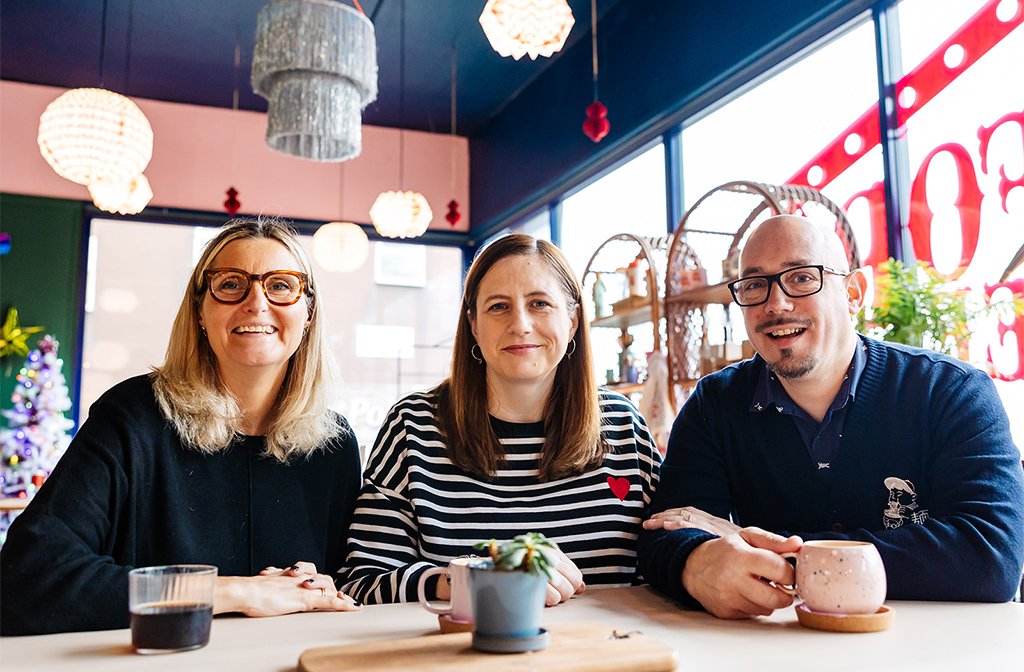
Paul emphasises that if local journalism wants to rebuild trust, it has to do more than ask readers to take its integrity on trust. It has to show its workings, remain open to challenge and demonstrate that standards matter in practice.
Read: Our ethics and editorial policy
“If we want trust in journalism to grow, local newsrooms like ours must lead by example. That means being open to challenge, willing to learn, and prepared to show our readers that we take our responsibilities seriously.
“Genuine local newspapers welcome challenge and criticism and make it easy for people to highlight where they can do better. They also have a regulator supporting discussions about those challenges if needed.
“Any publication that doesn’t allow itself to be scrutinised and hold itself to a higher standard has no right to say it’s working in the best interest of its readers.”
That line goes to the heart of why this matters. In an age of shrinking trust, noisy opinion, misinformation and pressure to publish quickly, local journalism cannot ask readers to trust it on instinct alone. It has to earn that trust, and keep earning it.
“The Bedford Independent has long argued that good local journalism should be rooted in public interest, transparency and responsibility. This accreditation does not mean the work is finished. It means the commitment is public,” added Paul.
Changes already underway
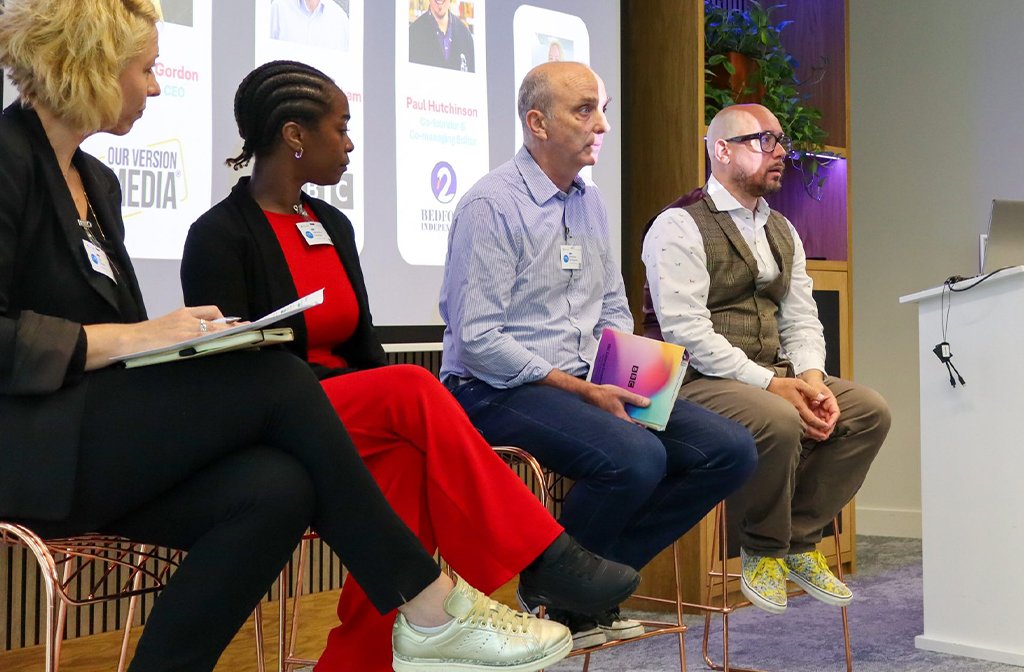
The Bedford Independent is already putting this accreditation to work.
Just this month, the publication has opened up its column section to more communities and organisations, so more Bedfordians can tell their stories in their own words.
Amongst the monthly political columns, which now include representatives of all political parties in various positions across Bedford, columns from communities and charities are now a regular monthly feature.
The publication’s ethics and editorial policy will also be reviewed and adjusted, where necessary, to reflect what has been learnt during the accreditation process, and will remain a living document to respond to evolving ethics as society develops.
The process has also shaped internal work at Progress Publishing, the Bedford Independent’s parent company, as it seeks to clarify the editorial pillars that underpin all its titles.
The aim is to ensure those publications align around shared principles while maintaining a commitment to accurate, comprehensive journalism for Bedford Borough and to readers.
Tangible skills
Impress says the response to the course suggests there is a real appetite in journalism for more structured ethical training, particularly at a time when many reporters and editors are dealing with increasingly complex questions around trust, technology, public interest and accountability.
Dr Beth Parkes, Education and Development Manager at Impress and the University of Huddersfield, said feedback from those who have completed the course points to practical changes in how they work, not just a better understanding of theory.
She said journalists had reported “deeper thinking, meaningful reflection, and lasting changes to the way they approach their work”, suggesting the accreditation is having an effect beyond the classroom.
“Impress is delighted with the positive response to Creating Ethical Media and Journalism,” she said.
“Feedback from journalists who have completed the course has highlighted not only the quality and effectiveness of the learning experience, but the tangible skills gained and the real difference it has made to their practice.”
Dr Parkes said that success is now feeding into wider efforts to make ethical standards more visible to the public.
“Building on this success, we are now compiling a public register of accredited ethical journalists on our website, giving audiences a trusted resource to find journalists they can rely on.”
She added that the work is also expanding beyond individual reporters, with a further course now being developed for media owners and senior decision-makers, focusing on how ethical values can be embedded across organisations rather than left to individual journalists alone.
“And there’s more to come: a new course is currently in development, tailored specifically for media owners and strategic managers, with a focus on embedding ethical values at the heart of organisations.”









