
by Ian McEwen of Ouse Muse
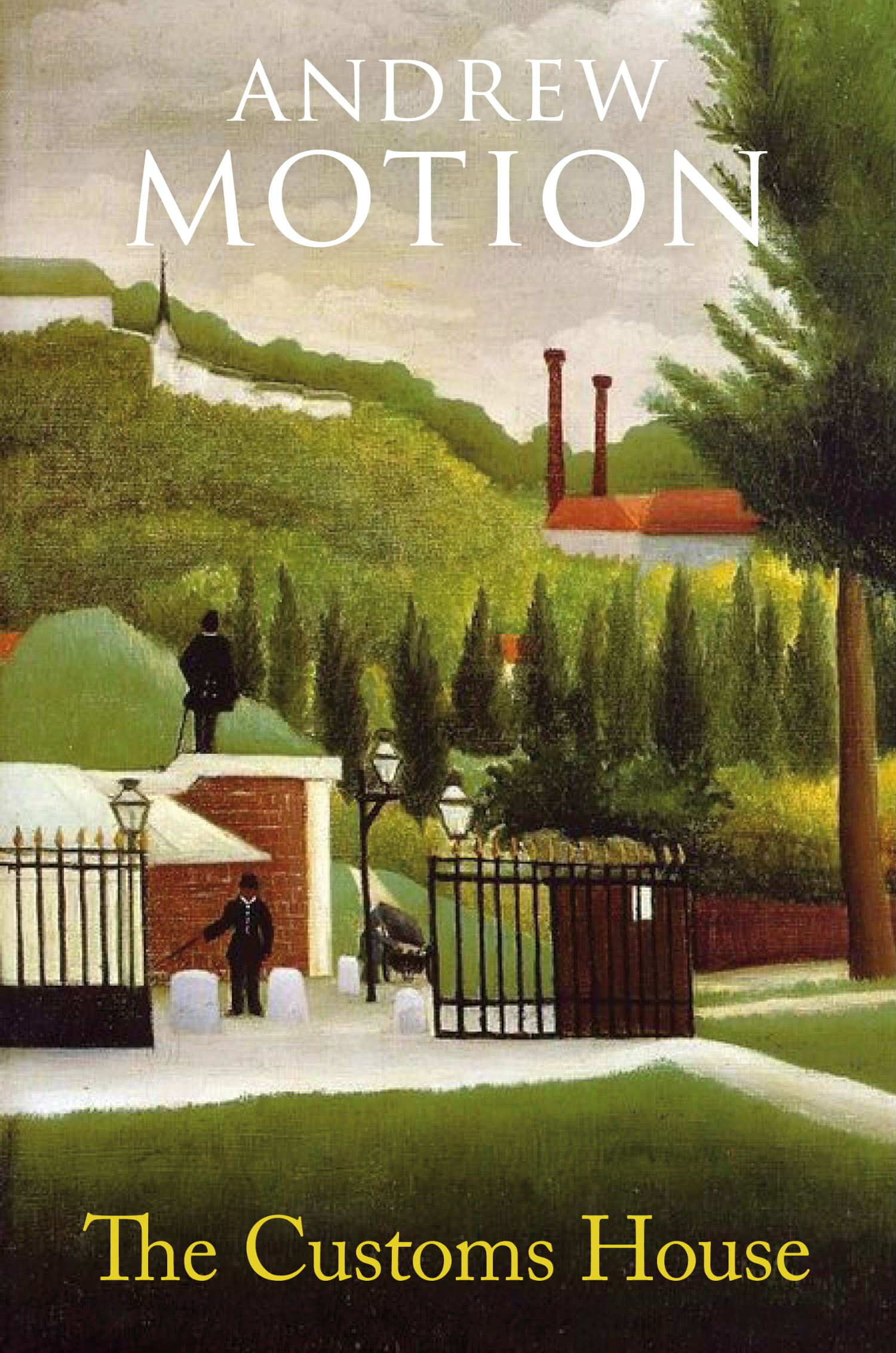
On 11th December Andrew Motion, one of the leading poets writing today, is coming to The Place Theatre. Andrew was Poet Laureate 1999-2009 and is Professor of Creative Writing at Royal Holloway College, London. He has also been knighted for his services to literature. His most recent book of poetry is The Customs House which the Guardian called ‘Lucid, brilliant….Motion’s most achieved collection’. (You can read the full review here).
He answered a few questions for The Clanger:
Andrew, you introduced the idea that the Poet Laureate could serve a time limited term – ten years (and nothing off for good behaviour). The Customs House is your first poetry collection for some time to escape from the shadow of office. Has that changed your writing?
Probably. I’ve certainly felt less constrained, in terms of my approach to subjects (I’m naturally inclined to be more oblique in my treatment of things than ‘public poetry’ finds it easy to be), and in my approach to formal questions (in the sense that I find myself moving towards free-er forms as time passes). Then there’s the whole question of being completely at liberty to chose what I do and don’t write about… .

One of the main departures in the book is the extensive use of found texts, that is to say things that others have already written. This technique is particularly evident in the opening section of war poetry, Laurels and Donkeys: why did you take that turn?
Found poems have always interested me, and I thought there was a particular use for them when I was writing Laurels and Donkeys. However well-intentioned non-combatant poets might be, there’s always a risk they’ll seem like grandstanders when they write about war. Using the words and witness of people who were ‘really there’ is a way round this problem. In other words, I hardly want to be in these found poems as my ‘self’. I want instead an almost ego-less kind of poetry, with a minimal amount of subjective interference in the subject.
You have been a major supporter of Poetry Out Loud, the recitation competition for schools. What does an audience gains from hearing your poems read aloud?
As co-founder of the Poetry Archive and of Poetry by Heart I have tried to make manifest in the most practical ways my belief that the pleasure (let alone the ‘meaning’) of poetry has as much to do with the way it sounds aloud as it does with its patterning and sense on the page. The ear, as Robert Frost reminds us, is ‘the best reader’.
Why is it, after all the subtle, careful poems, it is the earworm of ‘Magpie’ that stays with me ‘along with glass and pins/and other shining things.’?
I’m glad you like that poem, which is the most elliptical of all the poems in the book. I’m inclined to think that’s why you remember it. Because whatever it means keeps flying ahead of you.
What next, more of the same or something different?
A new collection is being published next June; I’m just putting in and taking out the last commas at the moment. It’s called Peace Talks. Is it ‘new’? More like a development I’d say, including some more poems for the Laurels and Donkeys sequence – among them a longish sequence based on conversations I’ve had with soldiers returning from Afghanistan (more information about the Radio 4 broadcast on November 11th here).
Catch Sir Andrew Motion reading from The Customs House at The Place, 7.30pm on 11th December.
Tickets £12.50/£10 concessions from www.theplacebedford.org.uk. You can find out more about his poetry and other books at www.andrewmotion.co.uk
Ian McEwen









